Bioremediation
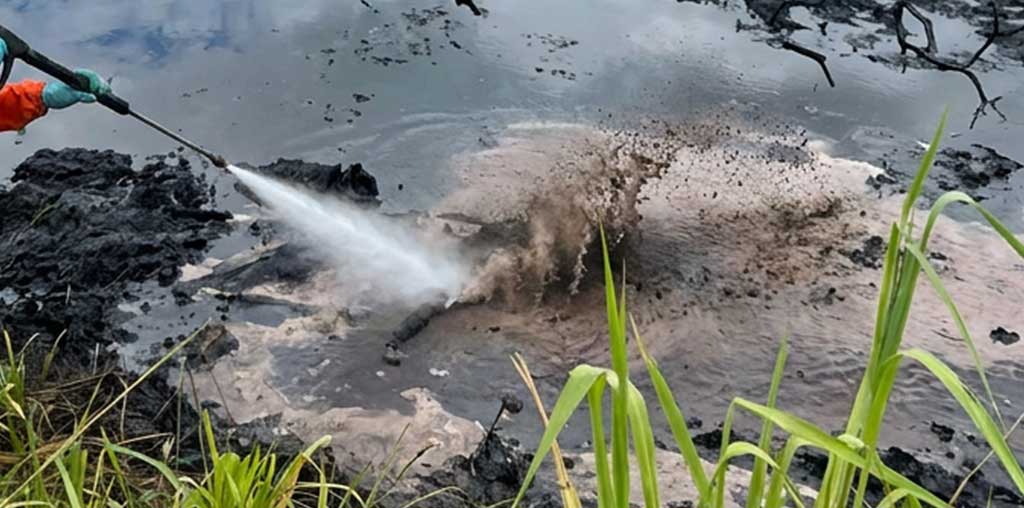
Oil Sludge Pit Remediation
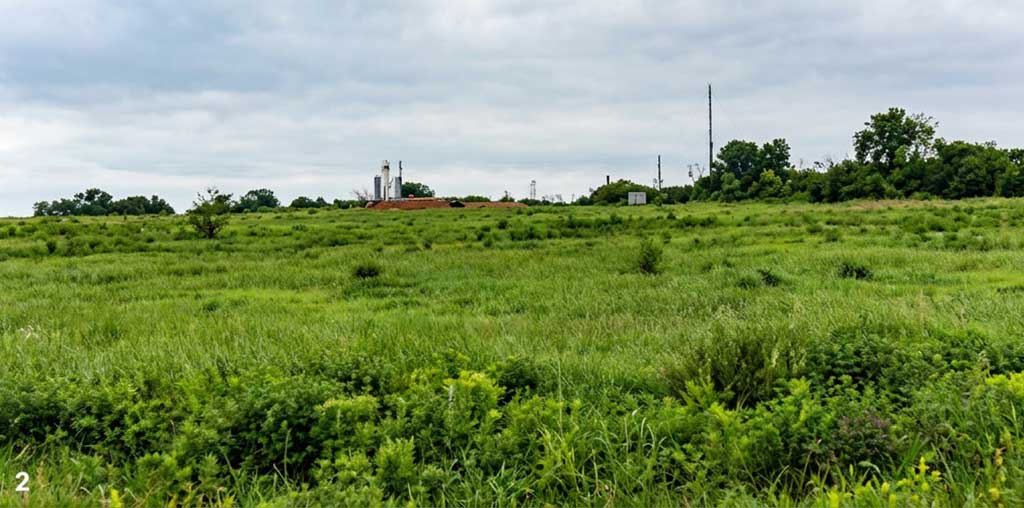
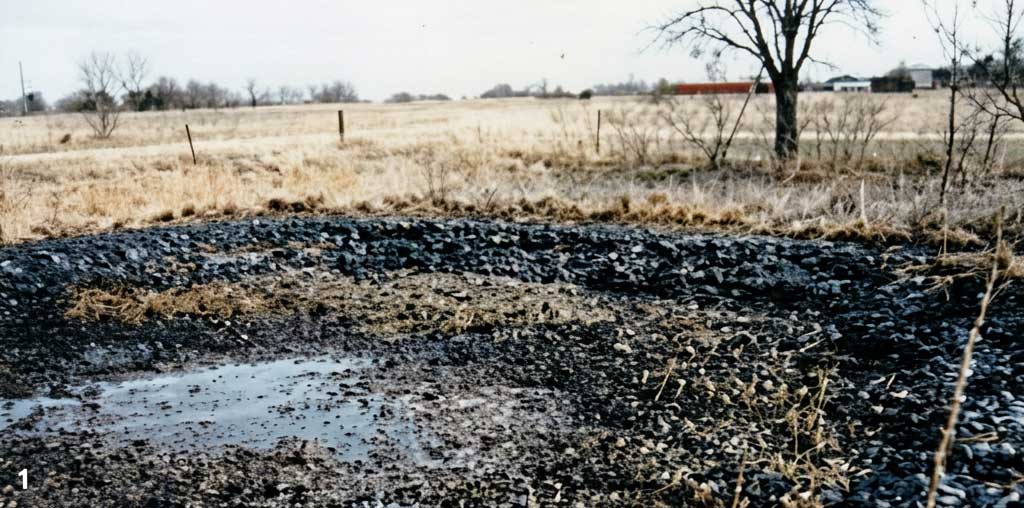
Oklahoma, USA · 2,000 Liters TATICLEAN 100
BEFOREAFTER
Treatment Timeline
Week 1
Initial application + rotation
Week 3
Second application + plowing
Week 5
Final application + plowing
Week 7
Sample analysis & results
TPH Reduction Results
95.9%North End Sample 1
96.1%North End Sample 2
95.6%Center Sample 1
95.5%Center Sample 2
95.0%South End Sample 1
94.8%South End Sample 2
Bioremediation
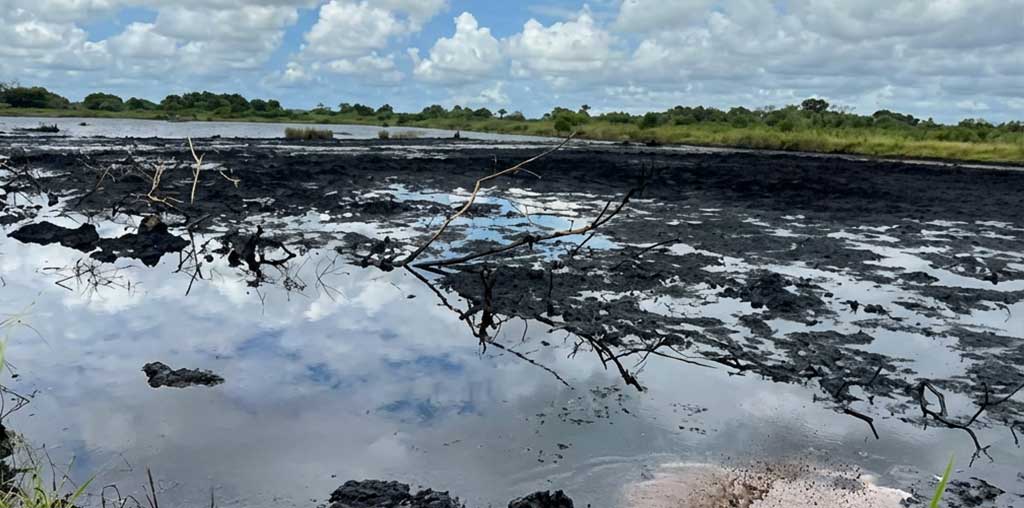
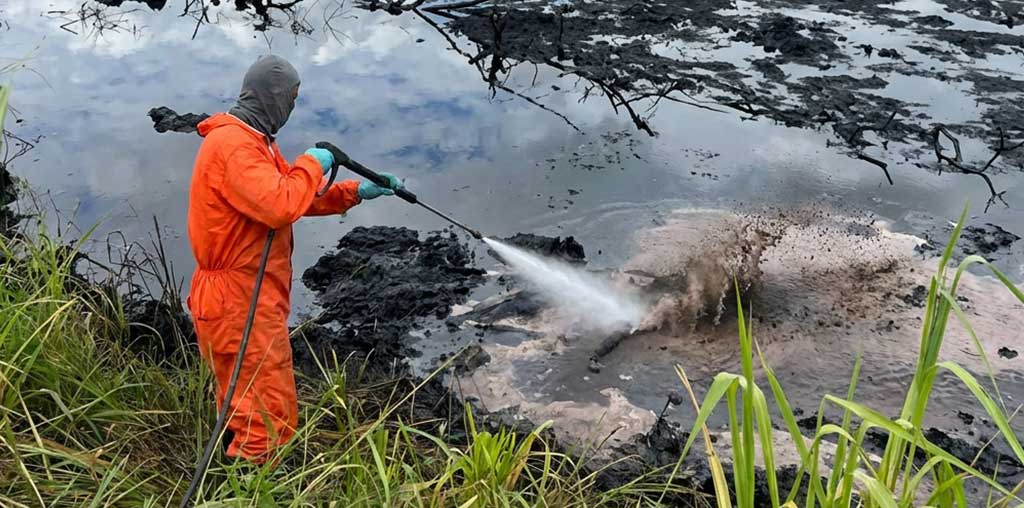
La Venta, Tabasco
LABSA Certified · EMA Accredited · 10 Hectares
95%TPH Reduction
98%BTEX Reduction
97%PAH Reduction
- Sampling per NOM-138-SEMARNAT/SSA1-2012 standards
- Chain of custody maintained throughout the process
- Soil and water samples collected from impacted area
- Laboratory treatment: 6 days with TATICLEAN 100
- In-situ field test with before/after verification
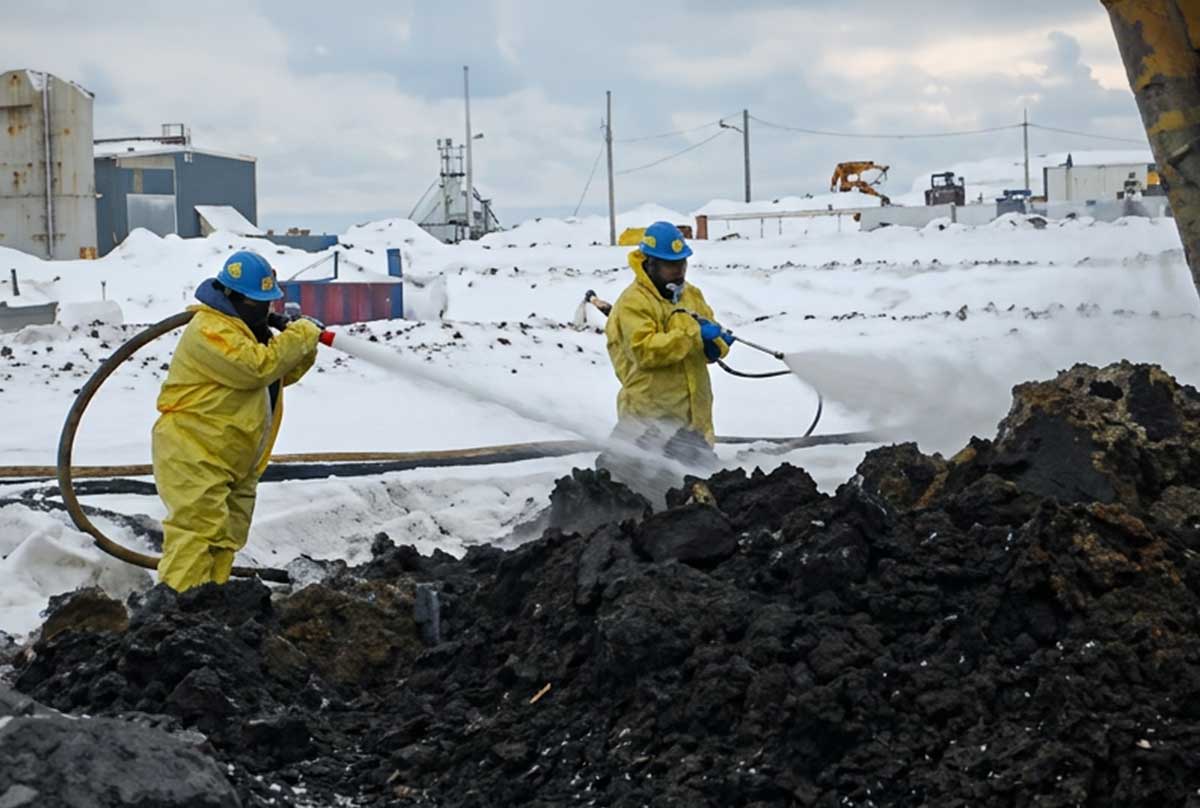
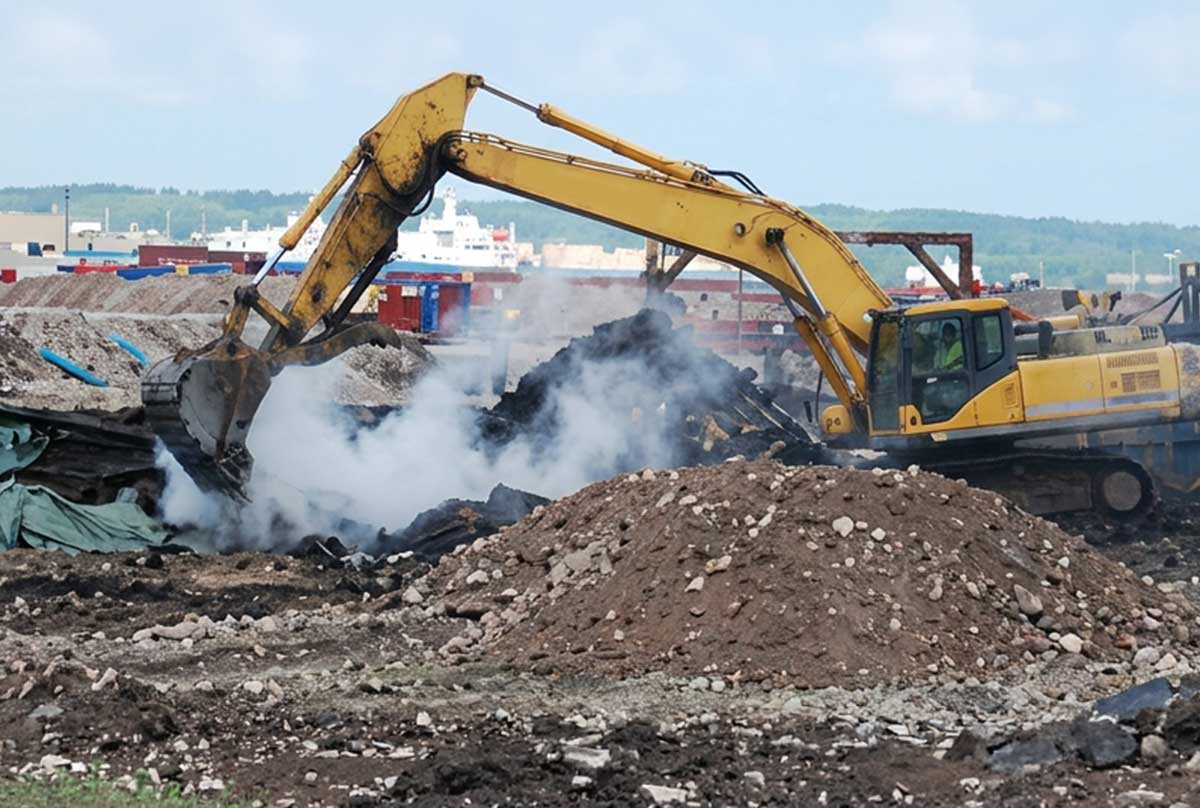
Vapor Suppression
VOC Containment Technology
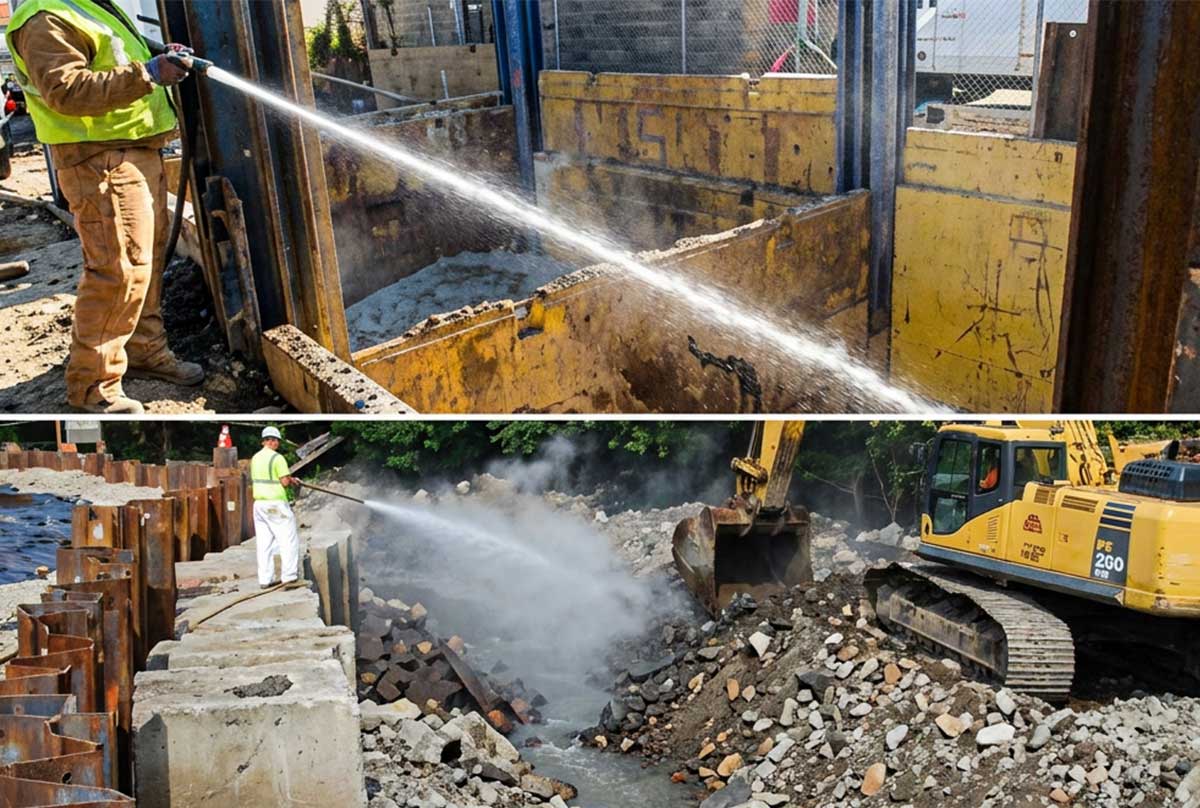
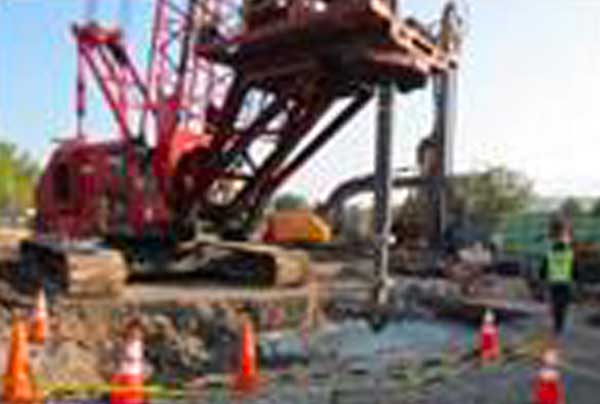
TATICLEAN 100 · Excavation Site Protection
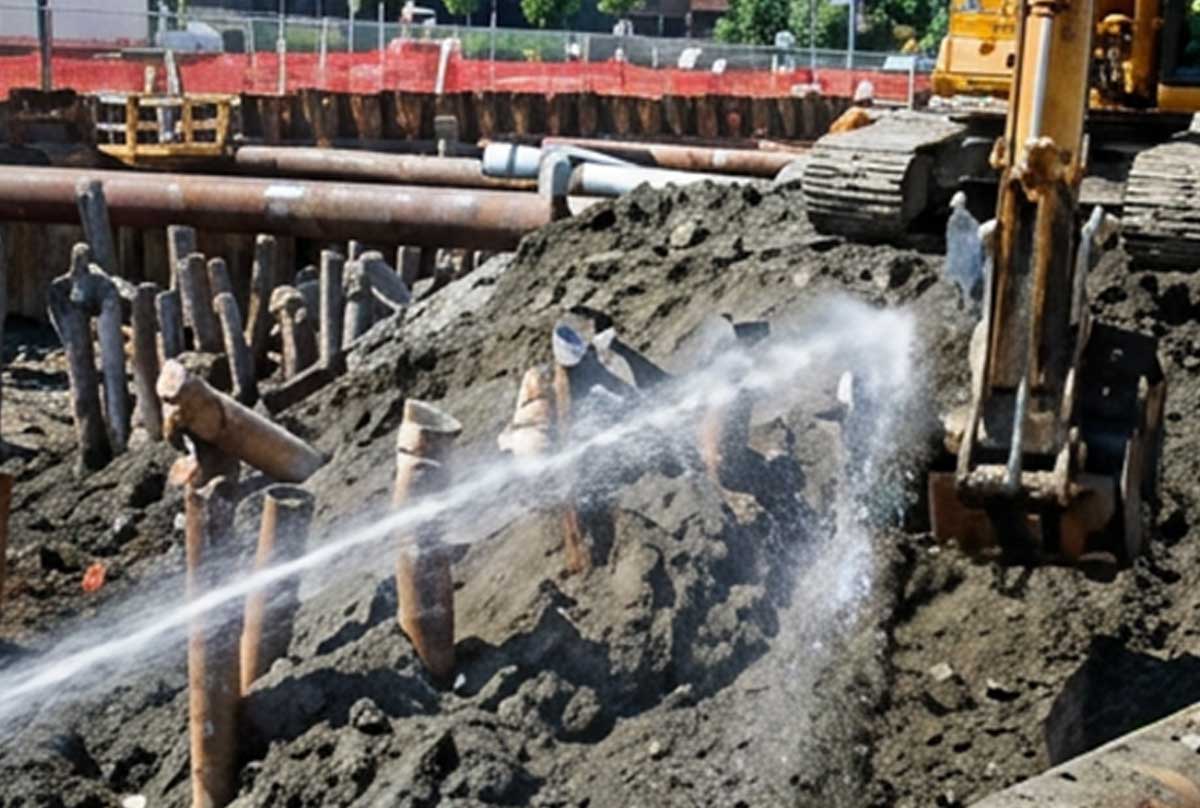
- Apply as drench spray to wet the soil — "shower" or "coarse spray" setting
- Flow rate: 5-20 L/min during active spraying
- Re-application every 1-2 hours depending on site conditions
- Spray all newly exposed contaminated soil surfaces immediately
- Intermittent high-flow rate (>5 gpm) more effective than continuous low-flow
- 20-30 liters of solution per cubic meter of contaminated soil
- Heavy urban site: approximately 1,000 liters (1 IBC tote) per excavator per day
- Factors: contamination level, weather, excavator size, proximity to neighbors
- Weight increase of excavated material: approximately 1%
- Aggressive coarse spray: immediate effect, lasts ~1 hour
- Treat only surface where volatilization occurs — spray until wet, no runoff
- Stationary misting systems can be placed downwind for secondary treatment
- Rain does not prevent volatilization — continue use of TATICLEAN 100
- Hot weather increases odors/VOCs — additional spraying may be required
- For long-term control, consider tarps and/or foam
Additional Considerations
Important operational guidelines for optimal vapor suppression results.
Aggressive coarse spray: immediate effect, lasts ~1 hour
Treat only surface where volatilization occurs — spray until wet, no runoff
Stationary misting systems can be placed downwind for secondary treatment
Rain does not prevent volatilization — continue using TATICLEAN 100
Hot weather increases odors/VOCs — additional spraying required
For long-term control, consider tarps and/or foam
Weight increase of excavated material: ~1%